


Addiction aftercare is the support you keep using after a treatment program ends. It can include therapy, support groups, medication, sober housing, and regular check-ins.
Clinicians also call it continuing care. Its job is to help you prevent relapse and keep what you gained in treatment as you go back to everyday life.
At Simple Path Recovery in Pompano Beach, Florida, we start planning aftercare with each person well before outpatient care ends. Much of that plan grows out of relapse prevention work on triggers and coping skills. A good plan is written down, names real people and dates, and changes as your needs change.
What Is Addiction Aftercare?

Addiction aftercare is planned support following a phase of addiction treatment. It can begin after residential care, PHP, IOP, or another program. Continuing treatment and recovery support may overlap, so aftercare does not always start only after all clinical care ends.
Completing treatment is a major accomplishment. Aftercare is how you protect that progress over months instead of weeks.
Treatment builds coping skills with structured support, sometimes while a person is already living and working at home. Aftercare helps sustain those skills in daily life and provides support when stress or cravings return. The setting and amount of structure depend on the person’s needs.
Many people move through a few steps on the way out. Someone might go from a live-in program to intensive outpatient treatment, then to weekly therapy and groups. If you are close to the end of an IOP, our post on what happens after IOP covers that next step.
Why Aftercare Matters in Addiction Recovery
Addiction recovery needs ongoing care, much like other long-term health problems. One round of treatment can start recovery, but recovery often takes longer than one program. Aftercare keeps help in place while new habits take hold.
Addiction Is a Chronic Condition
NIDA describes addiction as a treatable chronic condition and has cited a broad 40 to 60 percent relapse range from older research [1]. That figure is not a current prediction for people leaving rehab. Rates vary with the substance, definition of relapse, treatment, and follow-up period.
The often-quoted comparison comes from a 2000 JAMA review of addiction and other chronic illnesses. It illustrates challenges in sustaining treatment and symptom control, rather than proving that all conditions have directly comparable relapse rates or that a particular program will produce those outcomes.
Relapse Is Not a Sign That Treatment Failed
NIDA states that relapse does not mean treatment has failed. It is a sign that continued treatment needs to restart or change, so talk with your care team. Seeing it this way takes away some of the shame, which makes it easier to ask for help fast.
Our post on why people relapse even when life is going well looks at one pattern that surprises many people. Knowing the reasons ahead of time helps you plan for good weeks as well as hard ones.
What Addiction Aftercare Includes
An aftercare program often mixes care from clinicians with support from peers. What goes into your plan depends on your drug use history, your mental health, your housing, and your goals.
Step-Down Outpatient Care
Outpatient programs vary a lot in how many hours they take each week. After a partial hospital program, many people step down into an intensive outpatient program that meets several days a week. Later, they may move to regular outpatient care with one or two counseling sessions a week.
This slow drop in structure gives you time to test your skills while help is still close. If things get harder, you can step back up for a while. Care can grow or shrink to match how you are doing.
Ongoing Therapy and Medication Management
Ongoing therapy gives you a place to work on problems that come up after treatment. That might be individual therapy, group therapy, or family therapy. Behavioral therapies such as CBT help you notice the thoughts behind drug cravings and find healthy ways to respond.
Many people who drank or used opioids keep taking a medicine as part of aftercare. Some of these medicines ease cravings, and people often stay on them long after treatment. If you take one, ask how continued medication for opioid or alcohol use disorder will work when your program ends.
Many people in recovery also live with anxiety, depression, or trauma. Addiction and mental health problems often feed each other, so care for both helps the whole person. Regular sessions help you catch problems early.
Support Groups: AA, NA, and SMART Recovery
Support groups are free, easy to find, and meet in person or online. Alcoholics Anonymous (AA) and Narcotics Anonymous (NA) are 12-step groups. Each offers a clear set of steps, a sponsor, and a link to a higher power as each person defines it.
Many people ask about the success rate of AA, but there is no single rate that applies to every group or participant. Outcomes depend on what is measured, who takes part, and how long they are followed. The choice of support should also fit the person’s needs and preferences.
Being in a room with others in recovery can help you feel less alone and less judged. Hearing how someone else got through a hard week can give you ideas to try. A sponsor or a regular meeting also gives you a reason to show up on low days.
Not everyone connects with the 12-step model, and some people want a group without a spiritual focus. Online support meetings also help when work or travel gets in the way. For a non-religious choice, SMART Recovery uses tools from behavioral therapies, and some people attend it alongside AA or NA.
Sober Living and Recovery Residences
Sober living homes give people a drug-free place to live, with rules and structure, in early recovery. Residents often pay rent, take drug tests, do chores, and go to meetings or treatment. Sober living is not required after rehab, but it can help if your home is unstable or full of triggers.
Florida law provides a voluntary recovery-residence certification program [2]. Certification is distinct from other operating requirements. Section 397.4873 generally restricts licensed treatment providers’ referrals to and from residences without certification and a certified administrator, with specified exceptions, so voluntary does not mean certification is irrelevant to referrals.
We refer people to partner sober living homes in South Florida rather than running homes ourselves. The Florida Department of Children and Families lists the Florida Association of Recovery Residences (FARR) as the group approved to certify these homes [3]. You can ask any home whether FARR has certified it.
Alumni Programs, Peer Support, and Case Management
Many addiction treatment centers offer alumni programs for people who finished care there. Alumni programs provide tools and contact with others in recovery. That often means meetings, mentors, sober activities, and sober events on holidays.
Peer support adds another layer. A peer recovery coach is someone in recovery who is trained to help others set goals and find resources. Some plans also include short telephone check-ins with a counselor between visits.
Our alumni program for people who completed treatment with us has no fee to join and no end date. Case managers on our team also help with insurance, job paperwork, legal issues, and setting up the next appointment. Those practical tasks can feel heavy right after treatment.
Family Support and Healthy Boundaries
Addiction affects family members too, and their support can help a lot after treatment. In family therapy, everyone learns to talk more openly, rebuild trust, and set healthy boundaries. Those limits protect both the person in recovery and the people around them.
Loved ones can get their own support from Al-Anon, a free group for family and friends of people who drink. It helps them care for their own health and stop trying to control someone else’s recovery.
How to Build an Effective Aftercare Plan
An effective aftercare plan is specific and written down. It covers medical needs, like therapy and medicine, and practical needs, like housing, work, and rides. The plan should also say what you will do when stress or cravings hit. Use these steps to build it with your treatment team:
- List your early warning signs and top relapse triggers, and write one action for each.
- Book your first outpatient appointment before you leave treatment.
- Pick at least two support groups and the days you will go.
- Save the numbers of three people you can call any time.
- Decide where you will live, and whether sober living makes sense.
- Add healthy habits, such as sleep, meals, exercise, and a gratitude journal.
- Write down one or two life goals for work, school, or family.
A 2021 review found generally positive but mixed evidence for continuing care [4]. Longer planned care, often at least 12 months, and active efforts to keep people engaged were associated with better results in some studies. Average effects were often modest; duration alone does not guarantee benefit.
Comparing Aftercare Program Options
The right mix depends on how much structure you need. Many programs recommend starting with more support and stepping down over time. Talk through the options below with your care team.
| Aftercare Option | What It Involves | Who It May Suit |
|---|---|---|
| Intensive outpatient program | Group counseling and individual therapy several days a week | People leaving PHP or a live-in program |
| Medication management | Regular visits with a prescriber | People with opioid or alcohol use disorder |
| Support groups | Free AA, NA, or SMART Recovery meetings | People at any stage of recovery |
| Sober living | A drug-free shared home with house rules | People without a stable, sober home |
| Alumni and peer support | Meetings, mentors, coaching, and sober events | People who want a lasting recovery community |
Life After Rehab: The First 90 Days and the First Year
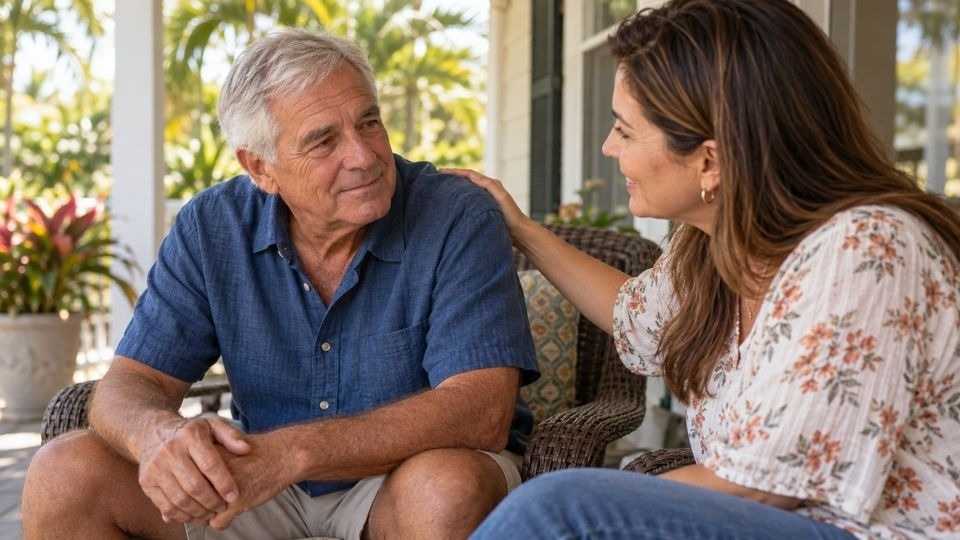
Life after rehab often brings relief, pride, and stress at the same time. Your days have less structure, and old routines are close by. Knowing what tends to come up helps you plan ahead.
The First 90 Days
Learning to manage emotions in early sobriety is one of the main tasks of these months. Early recovery can bring big swings in mood. Sleep and energy may still be settling, and drug cravings can come and go without warning.
Structure helps a lot in this stretch. Many people go to meetings often, keep every therapy visit, and stay away from places tied to past use. These steps can help in the first weeks:
- Keep a written weekly schedule with meetings and appointments.
- Check in with a sponsor, peer, or counselor every day.
- Put off big changes, like a new relationship or a move, when you can.
- Plan sober activities for evenings and weekends.
A few common early recovery missteps show up again and again, such as dropping meetings too soon. Testing yourself around old friends or old hangouts is another one. Reading about them with a support person can help you spot them sooner.
The Rest of the First Year
After the first few months, many people step down to less frequent care. This is a good time to build a full life that does not center on alcohol or drugs. New hobbies and sober friends help fill that time.
The first year also brings first holidays, birthdays, and anniversaries without alcohol or drugs. These dates can carry strong memories and a lot of social pressure, so plan ahead to stay sober through them.
Ideas for parties and family visits are covered here, in our post on staying sober during the holidays. The table below shows how aftercare often shifts across the first year.
| Time After Treatment | What Often Comes Up | Common Aftercare Focus |
|---|---|---|
| First 30 days | Cravings, poor sleep, a new routine | Daily support, frequent meetings, outpatient care |
| Months 2 and 3 | Strong emotions, overconfidence, work stress | Therapy, relapse prevention, peer contact |
| Months 4 to 12 | Holidays, relationship changes, new goals | Step-down care, alumni events, life goals |
Warning Signs and What to Do After a Lapse
A lapse is a short return to use, and a relapse is a return to the old pattern. Either one is a reason to get more support, not a reason for shame. Warning signs often show up days or weeks before any drug use, and spotting them early can help you avoid relapse. Watch for signs like these:
- Skipping meetings, therapy, or calls with your sponsor
- Pulling away from friends, family, and your support system
- Thinking about past use in a fond way
- Spending time with people or places tied to past use
- Feeling sure you have recovery handled and no longer need help
If a lapse happens, tell someone on your support list that same day. Then call your counselor or program to talk about stepping up care for a while. Going back to 12-step meetings and step work can also help you reconnect quickly.
An opioid overdose is an emergency, so call 911. After time away from opioids, tolerance drops, so an amount that once felt normal can be deadly. Keep naloxone on hand if you or someone close to you has used opioids.
Crisis Resources
If you or someone you love is in crisis, these free, private lines are open at any hour:
- Call or text 988 to reach the 988 Suicide and Crisis Lifeline.
- Call the Substance Abuse and Mental Health Services Administration (SAMHSA) National Helpline at 1-800-662-4357, open 24 hours a day, 365 days a year, in English and Spanish [5].
- Call 911 for an overdose or any medical emergency.
Addiction Aftercare Frequently Asked Questions
How Long Does Aftercare Usually Last?
There is no single timeline, and the right length depends on your needs. Research supports continuing care, with longer and more actively engaging programs often showing better outcomes. Many people maintain medication, counseling, meetings, or alumni contact for years, while adjusting support as their situation changes.
Do You Have to Live in Sober Living After Rehab?
No, sober living is a choice, not a rule. It can help if your home has alcohol or drugs in it, if your housing is not stable, or if you want more structure in early recovery. Your treatment team can help you decide whether a sober home fits.
What Do People Do After Rehab?
Many people step down to outpatient care, join support groups, and go back to work or school a little at a time. They also build new routines, and exercise as a replacement for drinking or drug use is one many people try.
What Percentage of People Relapse After Rehab?
NIDA has cited a broad 40 to 60 percent range from older research, but this is not a current rate specifically for people after rehab. Estimates depend on the population, substance, outcome definition, and follow-up. A return to use calls for support and reassessment, not a conclusion that recovery is impossible.
Getting Support After Treatment
Recovery is easier to protect when your next steps are already in place. If you or someone in your family is finishing treatment, aftercare planning with a case manager is a good place to start. Our team in Pompano Beach can help you line up outpatient care, support groups, and housing.
Medical disclaimer: This article is for informational purposes only and is not a substitute for professional medical advice, diagnosis, or treatment. Always talk with a qualified health care provider about your situation. If you are in crisis, call or text 988, or call 911 in an emergency.
Sources
- National Institute on Drug Abuse. Drugs, Brains, and Behavior: The Science of Addiction, Treatment and Recovery. https://nida.nih.gov/publications/drugs-brains-behavior-science-addiction/treatment-recovery
- Florida Legislature. Recovery Residences: Sections 397.487 and 397.4873, Florida Statutes. https://www.leg.state.fl.us/statutes/index.cfm?App_mode=Display_Statute&URL=0300-0399/0397/Sections/0397.487.html ;https://m.flsenate.gov/Statutes/397.4873
- Florida Department of Children and Families. Recovery Residence Administrators and Recovery Residences. https://www.myflfamilies.com/services/samh/recovery-residence-administrators-and-recovery-residences/
- McKay, J. R. (2021). Impact of Continuing Care on Recovery From Substance Use Disorder. Alcohol Research: Current Reviews, 41(1). https://arcr.niaaa.nih.gov/media/275/download
- Substance Abuse and Mental Health Services Administration. SAMHSA’s National Helpline. https://www.samhsa.gov/find-help/helplines/national-helpline