


Yes, you can overdose on Suboxone, though it happens far less often than with full opioids like fentanyl or heroin. The risk climbs sharply when Suboxone is mixed with benzodiazepines, alcohol, or other sedatives, when someone has little or no opioid tolerance, and when a child swallows it by accident.
If you think someone is overdosing right now, call 911 and give naloxone if you have it. The rest of this chapter explains why overdose is possible, which signs to watch for, and how supervised buprenorphine treatment keeps those risks low.
How Likely Is an Overdose on Suboxone? The Ceiling Effect Explained
Suboxone combines buprenorphine and naloxone, and buprenorphine is a partial agonist at opioid receptors. Its unique pharmacological properties set it apart from full opioid agonists like fentanyl: past a certain dose, more medicine adds little extra effect on breathing.
That limit is called the ceiling effect. It lowers the risk of respiratory depression compared with full opioid agonists when buprenorphine is taken alone. It does not make high doses or combinations with other sedatives safe.
In an analysis of overdose deaths recorded in 32 jurisdictions from July 2019 to June 2021, buprenorphine was involved in 2.6 percent of opioid-involved overdose deaths [1]. This proportion describes recorded deaths, not an individual person’s overdose risk or a direct comparison of medicines prescribed to similar people.
The same ceiling that protects against overdose also limits the high, which is covered in our chapter answering does Suboxone get you high.
Risk Factors That Make a Suboxone Overdose More Likely
Several situations remove the safety margin that buprenorphine usually provides. Overdoses involving buprenorphine usually include one or more of them.
Mixing Suboxone With Benzodiazepines, Alcohol, or Other Depressants
The FDA label warns that buprenorphine combined with benzodiazepines, alcohol, gabapentin, pregabalin, or other central nervous system depressants can cause severe sedation, respiratory depression, coma, and death [2].
Benzodiazepines such as Xanax, Klonopin, and Ativan, sleep aids, and alcohol are central nervous system depressants. When people mix Suboxone with them or with illicit substances, the effects add up in ways the ceiling effect does not stop.
The federal data show how often mixing is involved. Among buprenorphine-involved overdose deaths, 92.7 percent also involved at least one other drug [1], and illicit fentanyl and benzodiazepines were among the most common. Our post asking are opioids depressants explains why these drug classes stack.
Suboxone Misuse and Other Substances
Suboxone misuse raises the danger further. People who misuse Suboxone by injecting Suboxone, or who abuse Suboxone alongside alcohol or sedatives, face the highest risk.
Drug abuse of this kind often involves other substances bought on the street, which may contain fentanyl. Taking Suboxone prescribed to someone else adds another risk, since the dose was matched to that person’s opioid dependence, not yours.
Low Opioid Tolerance or No Opioid Dependence
People with little or no opioid tolerance can have dangerous breathing problems even at lower doses. Not using opioids regularly does not always mean tolerance is completely absent; individual history matters.
The label reports deaths in opioid-naive people who took buprenorphine and states the film “is not appropriate as an analgesic” [2]. People who obtain Suboxone without a prescription and take Suboxone without opioid dependence face exactly this danger.
Tolerance also drops quickly after a period without opioids, such as after detox, a hospital stay, or time in jail. A person returning to use after a break faces higher overdose risk from any opioid, including buprenorphine. People who take prescription opioids for chronic pain have related questions, which we cover in the chapter asking does Suboxone help with pain.
Children and Accidental Exposure
Children are especially vulnerable. The label warns that buprenorphine “can cause severe, possibly fatal, respiratory depression in children” and directs patients to store it out of sight and reach [2]. A single film or tablet can be enough to harm a small child.
Store Suboxone in its original child-resistant packaging inside a locked container, out of sight and reach of children. A high shelf alone is not secure storage. For suspected child exposure, contact Poison Control immediately at 1-800-222-1222; call 911 if the child is difficult to wake, breathing abnormally, or collapsing.
Liver Problems and Other Drugs
Buprenorphine metabolism happens mainly in the liver, so severe liver disease can raise levels in the body much like higher doses would. Some other medications, including certain antibiotics, antifungals, and HIV medicines, slow the liver enzyme that processes buprenorphine. Prescribers check for these interactions before and during treatment.
Because buprenorphine stays in the body for a long time, effects from multiple doses or a dangerous combination can build over hours. A closer look at how long buprenorphine stays in your body explains why.
Suboxone Overdose Symptoms and Respiratory Depression
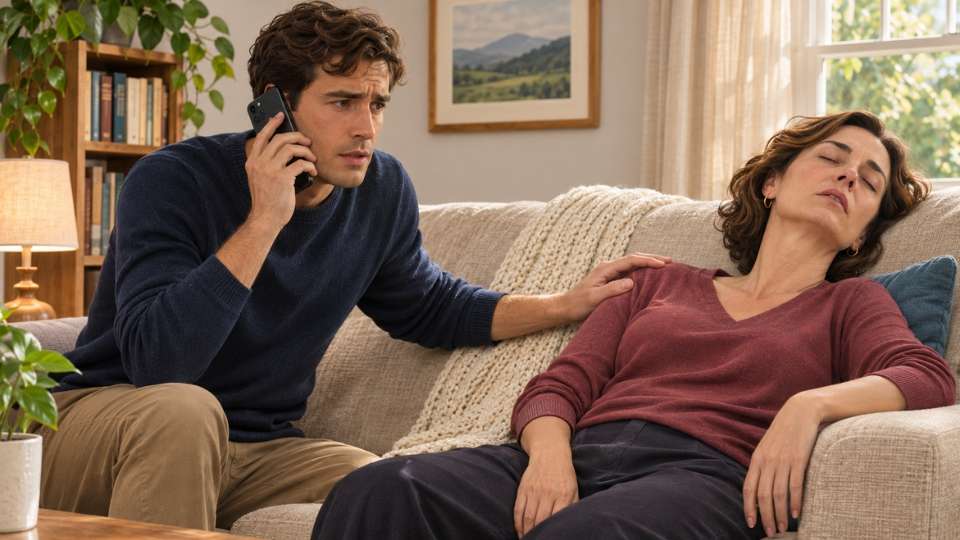
Suboxone overdose signs look like the signs of an overdose on any other opioid drug. Watch for:
- extreme drowsiness or being impossible to wake
- slow, shallow, or stopped breathing
- pinpoint pupils, meaning very small, dot-like pupils
- bluish or gray lips and fingertips
- choking, snoring, or gurgling sounds
- a limp body and very low blood pressure
Symptoms may come on more slowly than with heroin or fentanyl. Someone can seem only sleepy at first and get worse over several hours, so they should not be left alone to sleep it off. Buprenorphine attaches to receptors firmly and lets go slowly, as our guide to how Suboxone works explains.
What to Do If Someone Took Too Much Suboxone
Act quickly, even if you are not sure it is an overdose. First-aid guidance recommends emergency help, naloxone, and CPR when the person is unresponsive and not breathing normally [3]:
- Call 911. Say the person is not breathing well or will not wake up.
- Give naloxone if available, following the package directions. Repeat as directed if breathing does not improve or worsens again.
- If the person is unresponsive but breathing normally, place them on their side and keep checking their breathing.
- If they are unresponsive and not breathing normally, begin CPR, including breaths if you are trained, and follow the 911 dispatcher’s instructions. Do not delay CPR while waiting for naloxone to work.
- Stay with them until help arrives, and tell responders they took Suboxone.
Naloxone can help reverse buprenorphine overdose, but response may be incomplete and repeated doses may be needed [2]. Emergency breathing support is essential, so do not wait for naloxone to work before following dispatcher instructions. Our upcoming chapter on how Narcan works covers the nasal spray in detail.
Emergency teams often keep people under observation for many hours after a Suboxone overdose. Both buprenorphine and naloxone act on the same receptors, but the naloxone wears off sooner, so breathing can slow again.
Is Suboxone a Lower Risk Than Other Opioids?
Compared with full opioids, buprenorphine has a lower risk of fatal overdose when it is taken alone, so Suboxone carries less overdose risk than short-acting opioids like heroin. Suboxone is also a Schedule III controlled substance, while prescription opioids such as oxycodone and fentanyl are in Schedule II.
Buprenorphine produces weaker opioid effects than full agonists, and it also protects people in treatment for opioid addiction.
An NIH-funded observational study of more than 17,000 adults who survived an opioid overdose found that buprenorphine treatment was associated with a 38 percent lower risk of opioid-overdose death during follow-up [4]. This association supports treatment, but does not establish that receptor blockade alone caused the reduction.
That treatment benefit matters in Florida, where opioid-caused deaths fell 33 percent from 2024 to 2025 [5]. Buprenorphine can reduce cravings and blunt other opioids’ effects, but it cannot reliably block every exposure. People in treatment should still have access to naloxone.
For people with opioid use disorder, Suboxone is used to treat opioid addiction by easing uncomfortable withdrawal symptoms and cravings. In medication-assisted treatment, the prescriber sets the dose, checks for other drugs, and adjusts care as needs change.
People sometimes ask whether the buprenorphine-only form carries a different risk, and you can read about that here: our chapter comparing Subutex and Suboxone.
Can You Overdose on Suboxone? Frequently Asked Questions
Is It Possible to Overdose on Suboxone?
Yes, it is possible. An overdose is less likely than an overdose on full opioids because buprenorphine, a partial opioid agonist, has a ceiling effect on breathing, but it can happen. The risk is highest when Suboxone is combined with alcohol, benzodiazepines, or other sedatives, when the person has no opioid tolerance, or when a child takes it by accident.
What Makes a Suboxone Overdose More Likely?
The biggest factor is mixing it with other substances that slow breathing, especially benzodiazepines and alcohol. Low opioid tolerance, severe liver disease, certain medicines that raise buprenorphine levels, and accidental use by children also raise the risk. Taking Suboxone that was prescribed to someone else combines several of these risks at once.
What Should You Do If Someone Took Too Much Suboxone?
Call 911 and give naloxone if available, repeating according to its instructions. If the person is unresponsive and not breathing normally, begin CPR and follow dispatcher guidance. If breathing normally but unresponsive, place them on their side. Stay until help arrives, even if naloxone seems to work; breathing problems can return.
Getting Support After a Scare
An overdose or a close call is often the moment people decide to look at treatment more seriously. If that is where you are, Simple Path Recovery’s admissions team in Pompano Beach can talk through options, including buprenorphine treatment with regular monitoring.
This article is for informational purposes only and is not a substitute for professional medical advice, diagnosis, or treatment.
Sources
- National Institute on Drug Abuse. Overdose deaths involving buprenorphine did not proportionally increase with new flexibilities in prescribing. January 20, 2023. https://nida.nih.gov/news-events/news-releases/2023/01/overdose-deaths-involving-buprenorphine-did-not-proportionally-increase-with-new-flexibilities-in-prescribing
- U.S. Food and Drug Administration. SUBOXONE (buprenorphine and naloxone) sublingual film, prescribing information. Revised December 2025. https://www.accessdata.fda.gov/drugsatfda_docs/label/2025/022410s057lbl.pdf
- American Heart Association and American Red Cross. 2024 Guidelines for First Aid: First Aid for Opioid Overdose. https://cpr.heart.org/en/resuscitation-science/2024-first-aid-guidelines
- National Institutes of Health. Medications reduce risk of death after opioid overdose. July 10, 2018. https://www.nih.gov/news-events/nih-research-matters/medications-reduce-risk-death-after-opioid-overdose
- Florida Department of Law Enforcement. Florida Achieves Continued Decline in Opioid and Drug-Related Deaths in 2025. October 2026. https://www.fdle.state.fl.us/Home/Components/News/News/3615/731